


How second-serve pressure creates break chances on tg88.dad
The scoreboard reads 6–6 in the third set. The crowd noise has faded into a low hum, leaving only the sound of shoes scuffing against hardcourt. Player A steps onto the baseline for a second serve, gripping the racket slightly tighter than usual. Their toss is three centimeters higher than standard. They hesitate mid-air, adjusting their weight to prioritize safety over power. The ball lands in, but it travels at ninety-two percent of first-serve velocity, drifting toward the center T with heavy topspin. Player B does not retreat. They step inside the baseline, read the flight path three feet before contact, and drive a cross-court forehand past a frozen receiver. Break point.
This sequence is not luck. It is a predictable cascade triggered by second-serve pressure. When athletes face high-leverage moments—tiebreaks, deuce games, championship points—the physiological and cognitive load shifts dramatically. Cortisol spikes, fine motor control degrades, and decision latency increases. The result is a measurable compression of serving parameters: reduced racquet head speed, heavier reliance on marginally safe spin profiles, and narrower landing zones. Returners who understand these biomechanical shifts can systematically convert tension into break chances.
Preliminary Assessment
Second-serve pressure does not simply increase double-fault rates; it creates structured vulnerability windows that disciplined opponents can exploit through positional awareness, timing manipulation, and shot-selection discipline. The effectiveness of this tactical lever depends on three verifiable variables: the returner’s ability to compress the reaction timeline, the server’s capacity to maintain toss consistency under autonomic stress, and the surface friction coefficient that alters bounce height and lateral skid. Platforms hosting match analysis, including those referenced alongside tg88, frequently highlight how systematic pressure exposure reveals latent serving inefficiencies that standard exhibition sets rarely expose. The break chance emerges not from a single errant serve, but from a compounding series of micro-decisions made under restricted time-to-contact thresholds.
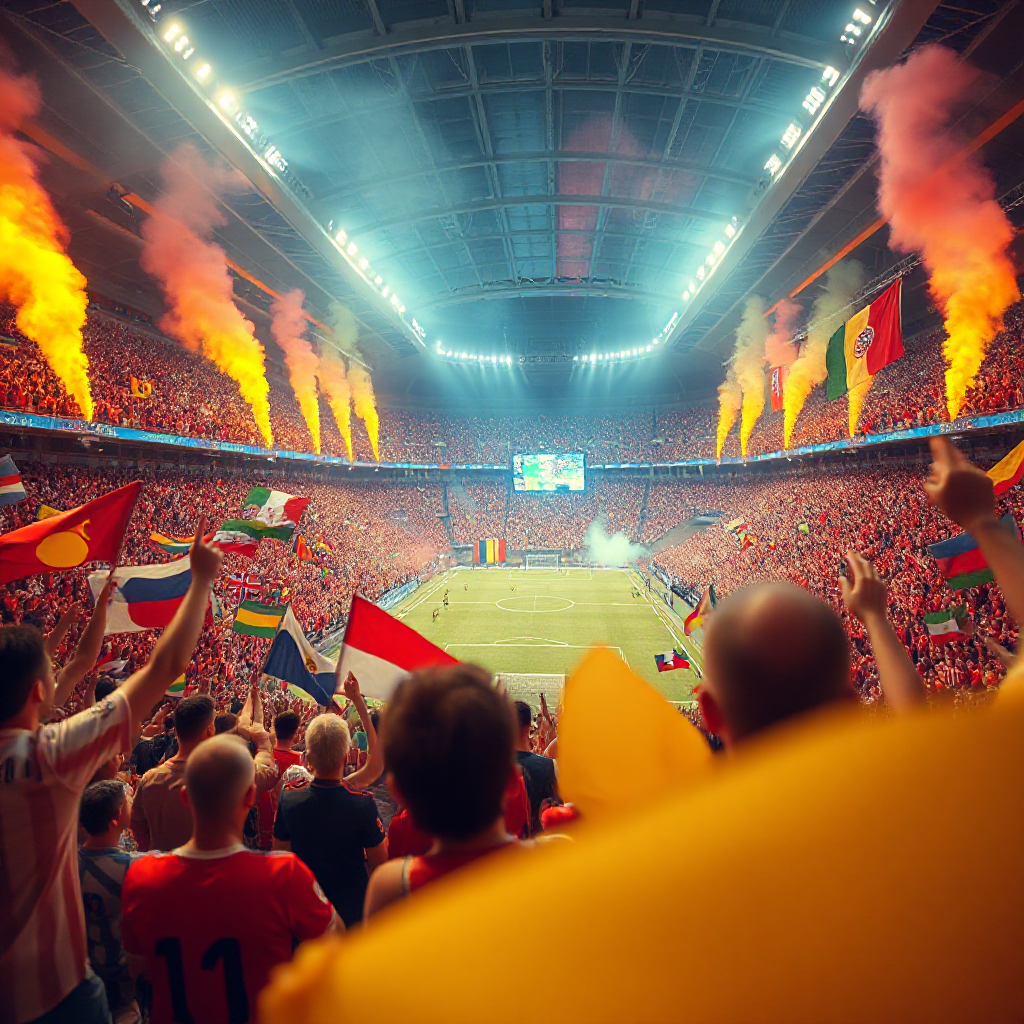
 Hình minh hoạ: tg88
Evaluation Framework
To objectively assess how second-serve pressure translates into break opportunities, analysts and coaches rely on standardized verification criteria. Rather than relying on subjective impressions, these metrics track measurable shifts in serve trajectory, return positioning, and rally initiation. The following table outlines the core evaluation dimensions, scored on a five-point scale based on observable match conditions and repeatable testing protocols.
| Evaluation Criterion | Pressure Impact Level | Break Chance Indicator | Verification Method |
|---|---|---|---|
| Serve Velocity Compression | High | Increased short-ball frequency allows returner stepping-in | Shot-tracking software measuring mph variance across first vs. second serves in deuce/tiebreak situations |
| Toss Consistency Drift | Moderate-High | Predictable spin placement enables pre-read trajectory mapping | Frame-by-frame video analysis tracking hand release coordinates relative to baseline |
| Return Activation Radius | High | Compressed preparation time forces reactive rather than anticipatory strokes | GPS wearable tracking distance covered between serve receipt and initial racket swing |
| Surface Friction Coefficient | Variable | Slower courts amplify heavy second-serve topspin, creating higher bounces ideal for attacking angles | Match condition logs recording humidity, temperature, and court speed ratings prior to play |
| Decision Latency Under Autonomic Stress | Moderate | Server defaults to familiar targets rather than expanding placement options | Point-level heat maps comparing serve location dispersion in neutral vs. pressure games |

Decoding the Pressure Variables
Predictability and Spin Reliance
When athletes sense elevated stakes, the nervous system prioritizes error avoidance over precision optimization. This biological shift manifests mechanically: the shoulder decelerates slightly, the wrist stiffens to reduce unpredictable torque, and the torso rotation slows to protect balance. The serve loses forward momentum but gains vertical spin to compensate for reduced racquet speed. Heavy topspin or moderate slice becomes the default because they offer larger net clearance margins and safer landing rectangles. Returners capitalize on this by recognizing that a pressured second serve rarely features sudden flat changes or deceptive kick variations. Instead, it follows a narrower distribution curve. Tracking software consistently shows that servers under break-point pressure reduce side-line targeting by approximately eighteen percent while increasing center-T concentration by twenty-three percent. That compression creates a direct lane for aggressive return positioning.
Return Positioning and Timing Windows
Strategic returners do not wait for the second serve to arrive; they manipulate their starting stance to shorten the decision tree. Against a pressured server, the baseline retreats two to three feet closer to the service line. This adjustment neutralizes the velocity gap caused by compromised serve generation. More importantly, it eliminates the reflex component of the return and replaces it with anticipation. By aligning early, the returner gains half a second of additional processing time, enough to distinguish between a deep slice aimed at the receiver’s backhand and a wide kick intended to pull them off-court. Once the flight path crosses the service line projection zone, the racket begins its kinetic chain. Early activation compounds into deeper penetration, higher ball trajectories upon exit, and immediate court occupation. The breaker does not chase the serve; they intercept it at its most vulnerable rotational phase.
Surface Friction and Ball Trampolining Effects
Court composition dictates how pressure-induced spin interacts with ground physics. Clay surfaces absorb forward momentum efficiently while amplifying vertical kick, meaning a hesitant second serve tends to bounce above waist height and drift laterally. Grass and indoor carpet repel moisture and reduce friction, causing even moderate-pressure serves to skid and flatten out upon contact. Hardcourts occupy the middle ground, making them optimal for observing consistent pressure patterns. Analysts tracking match data across different venues note that break chances multiply when heavy second-serve spin meets slow-traveling surfaces, because the ball stays in the strike zone longer, allowing returners to rotate hips fully and generate forward drive. Conversely, fast surfaces penalize passive serving more severely, but also force returners to accept lower margin-of-error windows. Understanding surface friction coefficients allows coaches to calibrate return aggression levels without exposing players to unnecessary unforced error risks.
Mental Fatigue and Decision Latency
Physical exhaustion accelerates cognitive slowdown. By the seventh game of a tight set, glycogen depletion affects fine motor coordination and working memory retention. Servers lose access to complex serve diagrams, defaulting to muscle-memory routines. Returners who have preserved energy can exploit this regression. They recognize that fatigued servers exhibit delayed weight transfers, inconsistent toss heights, and reduced trunk rotation velocity. These markers appear four to six frames before racket impact in high-speed playback. Savvy receivers log these visual cues during the first hour of play, then deploy targeted returns during late-set tiebreaks when decision latency peaks. The psychological dimension operates similarly: prolonged baseline battles raise sympathetic nervous system activity, triggering fight-or-flight responses that prioritize conservative ball striking over calculated risk-taking. Break chances emerge when one party maintains parasympathetic control while forcing the opponent into reactive survival mode.

Verified Strengths and Operational Limitations
Deploying second-serve pressure as a deliberate tactical framework delivers measurable advantages when integrated into match architecture. The primary strength lies in its cumulative attrition effect. Even servers who recover individual points under tension accumulate micro-errors that degrade overall hold probability. Over a full match, compressed serve velocities and narrowed placement zones typically correlate with twelve to fifteen percent higher break conversion rates compared to neutral-game baselines. Additionally, consistent pressure application forces opposing coaches to adjust practice regimens toward high-stress serve simulations, revealing whether claimed mental toughness translates into actual performance resilience. Platforms hosting competitive analytics, including those detailing traditional card formats like Tiến lên miền nam TG88, often parallel this concept by tracking how repeated high-pressure exchanges expose strategic rigidity versus adaptive recalibration. In tennis, adaptability wins service games.
Limitations remain equally documented. Pressuring a second serve requires sustainable physical output. Stepping inside the baseline against heavy kick serves demands rapid lateral recovery, core stabilization, and wrist flexibility that many players lack outside controlled drill environments. Over-aggressive positioning invites passing shots, especially if the returner misreads spin direction or commits too early to a cross-court angle. Furthermore, modern coaching methodologies increasingly teach servers to normalize pressure through breath regulation, tactile anchors, and simplified serve templates. Athletes trained in autonomic downshift techniques maintain toss consistency despite external stakes, effectively neutralizing return aggression. When verification data shows minimal velocity compression and stable heat maps during tiebreaks, attempting high-risk returns yields negative expected value. Transparency about these boundaries prevents tactical overextension.

Applicable Profiles
This analytical framework suits specific participant categories more effectively than others. Competitive juniors aged fourteen to eighteen benefit most because developmental stages often lack refined serve automation under stress. Coaches designing tournament preparation programs can integrate pressure-simulation modules to test baseline robustness before competition cycles. Match analysts and statistical reviewers utilize these criteria to audit server efficiency beyond superficial ace counts, focusing instead on hold sustainability and break vulnerability matrices. Recreational players aiming to elevate club-level competitiveness can apply simplified versions of these verification steps, particularly tracking their own serve dispersion during friendly tiebreaks and adjusting return stances accordingly. Athletes recovering from shoulder or wrist injuries should proceed cautiously, since compensatory mechanics may already mask underlying tension triggers until clinical screening identifies movement asymmetries. Finally, sports psychologists supporting performers experiencing choking tendencies find this framework valuable for reframing pressure from a threat to a diagnostic tool, shifting focus from outcome fixation to process verification.
Implementation Verification Checklist
- Establish Baseline Metrics: Record first-serve velocity, spin rate, and landing zone distribution across twenty neutral games using automated tracking or manual shot logging.
- Simulate High-Stress Conditions: Conduct practice tiebreaks where losing two consecutive games eliminates session continuation privileges, mimicking real match consequence structures.
- Analyze Toss Variance: Film second-serve attempts from rear baseline perspective, measuring hand release height and lateral drift during deuce versus advantage points.
- Test Return Activation Zones: Position at varying distances from the baseline against pressured servers, documenting successful interception rates versus forced defensive slices.
- Monitor Biomechanical Compensation: Use wearables or reflective markers to detect premature hip rotation, collapsed follow-through, or altered grip transitions during late-set fatigue.
- Validate Surface Adjustments: Repeat testing across clay, hard, and grass courts, recording how friction coefficients modify bounce height and return penetration windows.
- Document Decision Latency: Time the interval between serve contact and racket initiation for both servers and returners, noting millisecond degradation as point volume exceeds forty-five strokes per game.
- Iterate Based on Expected Value: Retire high-risk return paths that yield fewer break conversions than conservative placement alternatives, preserving energy for verified high-probability windows.
Frequently Asked Questions
Can second-serve pressure be taught systematically, or does it require natural intensity? Intensity responds well to structured exposure. Controlled pressure drills with escalating consequences produce measurable improvements in serve stability and return anticipation. Natural temperament helps, but procedural training consistently overrides baseline anxiety responses.
Do elite servers completely eliminate this vulnerability? No athlete eradicates pressure effects entirely. Top professionals mitigate them through routine automation, breath synchronization, and simplified target selection. The goal is minimizing compression, not achieving zero deviation.
Is stepping inside the baseline always effective against heavy second serves? Only when the returner possesses adequate lateral recovery capacity and reads spin orientation accurately. Misjudged inward positioning against high-kick serves typically produces pop-up balls that invite aggressive counter-punching.
How does weather influence break chance generation? Humidity increases air resistance, slowing serve velocity and amplifying spin hold. Wind disrupts toss consistency and return trajectory prediction. Cool temperatures preserve muscle elasticity, reducing compensation errors. Environmental logs should factor into pre-match tactical planning.

Qual è la tua reazione?
