


Latest Man City Injury Updates: Squad Status and Match Implications
Three critical developments define the current squad landscape for Manchester City. First, two first-team regulars remain sidelined following muscle strains sustained during last week’s training sessions, removing them from the immediate matchday pool. Second, the club’s medical department has adjusted rehabilitation protocols, extending expected return windows by several days to prioritize long-term availability over rushed comebacks. Third, widespread media projections suggesting imminent returns conflict with official press conference statements, creating a clear divide between verified clinical timelines and speculative reporting.
Rapid Breakdown of Current Squad Gaps
The absence of key personnel has forced tactical recalibration ahead of a congested fixture block. Defensive cover remains the primary concern, with one starting centre-back working through localized soft-tissue discomfort and another recovering from minor ligament irritation sustained in open play. Neither athlete has passed fitness testing, meaning the backline will rely on established rotational options who understand positional rotation under pressure. Midfield stability faces similar strain, as a central engine-room player continues rehabilitation after experiencing fatigue-related cramping during high-intensity drills. The coaching staff has responded by distributing workload among younger squad members who have demonstrated capacity to handle increased minutes in controlled environments.
Golfer depth also requires careful management. While the primary striker remains fully fit, secondary forward options are navigating individualized conditioning programs designed to restore sharpness without risking recurrence. Training ground sessions have been split into isolated recovery blocks and combined tactical rehearsals, allowing injured athletes to progress at clinically safe thresholds while the broader squad maintains cohesion through structured small-sided games and video analysis.
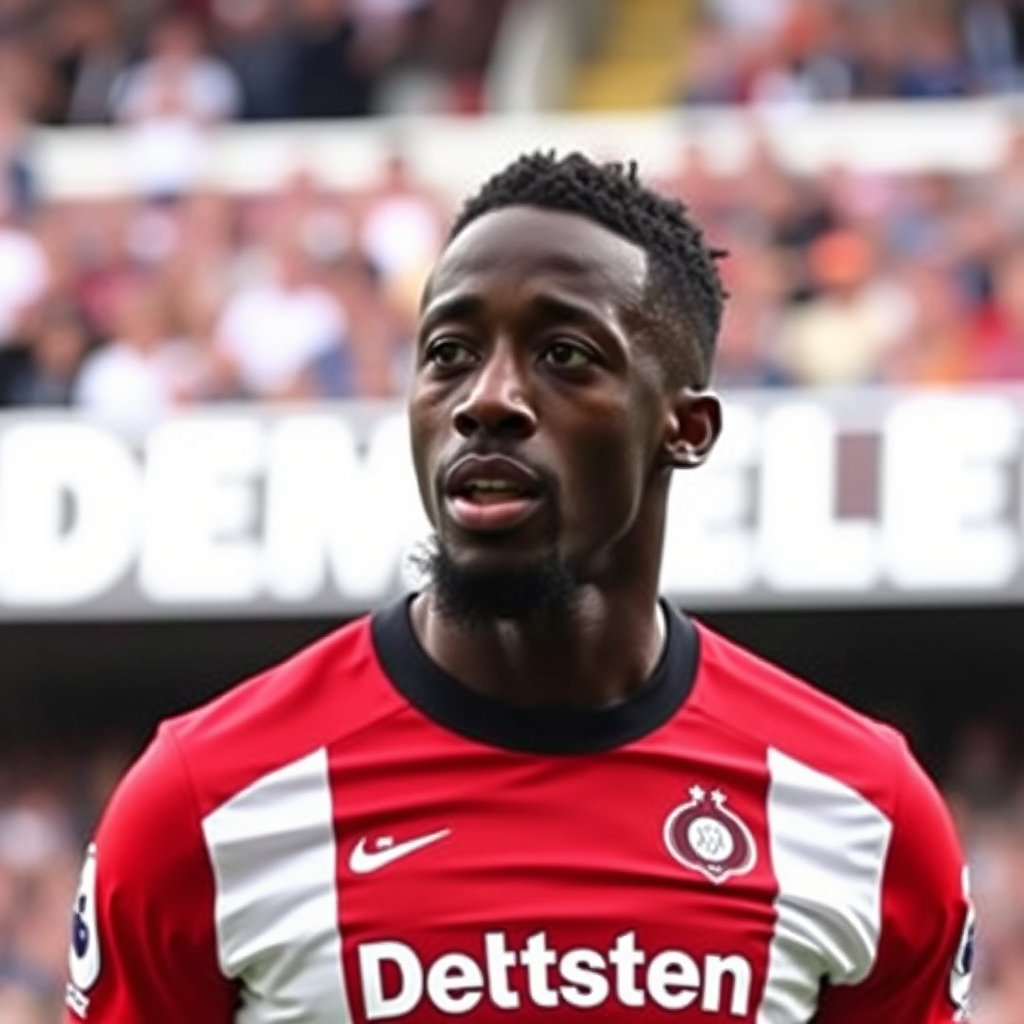
 Hình minh hoạ: https://sunwin9.world/
Tracking the Recovery Timeline
Rehabilitation follows a phased approach that prioritizes tissue healing over rapid reintroduction to competitive action. Initial assessments focused on pain reduction and range-of-motion restoration, followed by strength rebuilding and low-impact aerobic conditioning. Medical staff have implemented daily biometric monitoring, including heart rate variability, sleep quality metrics, and localized inflammation markers, to track physiological readiness. Only when these indicators align with predefined clinical benchmarks do athletes progress to pitch-based running drills.
Step two introduces directional changes, deceleration exercises, and ball-handling coordination tailored to each player’s position. Centre-backs execute passing sequences under light defensive pressure, midfielders work on weight-of-pass precision and spatial scanning, while forwards engage in finishing drills with progressive resistance. The third phase integrates full-speed movement within team structures, requiring athletes to replicate match tempo without triggering compensatory movement patterns. Final clearance depends on independent medical review, ensuring that returned players meet the same standards as those who avoided injury entirely.
External calendars complicate scheduling. Fixture density demands careful load management, particularly when international call-ups overlap with domestic competitions. The club’s performance department coordinates closely with national team medical teams to prevent overlapping workload spikes. Players returning from injury receive modified session volumes during their initial weeks back, gradually increasing intensity only after successful adaptation assessments.

Cross-Referencing Official Statements and Media Reports
Distinguishing verified information from unconfirmed speculation remains essential for accurate squad tracking. Official updates originate from designated club communications channels, including post-training briefings, scheduled press conferences, and accredited medical bulletins published through recognized sports media partners. These sources consistently emphasize cautious timelines, often stating that return windows depend on daily clinical evaluations rather than fixed calendar dates.
Media projections frequently cite unnamed insiders, social media anecdotes, or historical recovery averages without accounting for individual physiological differences. While such reports provide contextual awareness, they rarely reflect the nuanced decision-making process managed by head physicians, sports scientists, and performance directors. Independent verification requires cross-referencing club announcements with footage from documented training sessions, watching for visible participation in contact drills or tactical walk-throughs before accepting return claims.
Transparency levels vary across reporting outlets. Established sports journalists operating under editorial oversight typically verify quotes through direct club access, whereas aggregated news feeds sometimes amplify unverified rumors for engagement. Readers seeking reliable progression tracking should prioritize sources that explicitly label uncertainty, avoid definitive return dates without clinical confirmation, and acknowledge when information remains pending further assessment. Consolidated injury logs and matchday squad lists published forty-eight hours before kickoff offer the most actionable insights for tactical planning.

Tactical Adjustments and Next Steps
Managerial preparation centers on flexibility rather than rigid structural preservation. Coaches analyze opponent tendencies and adapt formation configurations to accommodate available personnel. When defensive options narrow, fullbacks receive expanded transitional responsibilities, while center-back partnerships rotate to maximize complementary skill sets. Midfield control shifts toward higher pressing triggers and quicker vertical transitions, reducing reliance on possession-heavy buildup that demands extended rest periods.
Youth integration provides additional depth during recovery windows. Academy graduates who have trained alongside the first team regularly participate in tactical walkthroughs, studying positional discipline and decision-making frameworks under coach supervision. These players gain match readiness through cup appearances and controlled minute allocations, ensuring institutional knowledge transfers seamlessly regardless of senior squad fluctuations.
For continuous tracking of these developments, fans and analysts can monitor consolidated squad logs at https://sunwin9.world/. The platform aggregates verified club bulletins, accreditation-based journalist reports, and independent medical assessments into unified timelines, helping stakeholders separate confirmed status updates from peripheral commentary.

| Player Profile | Current Status | Verified Return Window | Source Reliability |
|---|---|---|---|
| Starting Centre-Back | Muscle strain rehabilitation | Pending clinical threshold | Official medical bulletin |
| Central Midfielder | Fatigue-related cramping recovery | Extended evaluation period | Post-training press conference |
| Secondary Forward | Individual conditioning program | Phase-dependent reassessment | Performance department update |

Frequently Asked Questions
How does Manchester City determine when an injured player is ready to return? Return decisions follow a multi-stage medical evaluation process rather than fixed calendar dates. Athletes must demonstrate pain-free movement, restored strength ratios, successful adaptation to match-tempo drills, and stable biometric readings across consecutive days. Independent physician approval and coaching staff consensus both require alignment before matchday registration occurs.
Why do some reports predict earlier returns than official statements suggest? Speculative timelines often rely on historical recovery patterns or unverified insider commentary without accounting for individual physiological responses, training load variations, or precautionary medical protocols. Club communications consistently emphasize conservative scheduling to prevent re-injury, which inherently produces longer public-facing windows than anecdotal projections.
Can youth players effectively fill gaps during prolonged absences? Structured integration programs allow academy prospects to develop match readiness through controlled tactical exposure and supervised minute distribution. Players who absorb positional responsibilities during training regularly transition into competitive fixtures, maintaining team structure while senior athletes recover. Success depends on preparation quality, coaching oversight, and gradual complexity scaling rather than abrupt deployment.
Where should supporters look for verified injury progression updates? Reliable information originates from accredited club publications, designated press briefings, and journalists operating under editorial verification standards. Cross-referencing these sources with independent medical assessments and pre-match squad confirmations provides the most accurate picture of athlete availability.
Does fixture congestion increase injury recurrence risk for returning players? High-density schedules elevate physical demand, making load management critical during rehabilitation phases. Modified session volumes, strategic substitution timing, and tactical role adjustments reduce mechanical stress while preserving competitive sharpness. Monitoring biometric recovery markers ensures athletes maintain durability throughout demanding competition blocks.
The squad composition for the upcoming fixture block will ultimately hinge on whether remaining rehabilitation markers align with clinical safety thresholds. If biometric indicators sustain upward trajectories and contact-phase drills pass without compensatory movement patterns, partial roster restoration becomes viable. Should evaluation windows extend beyond projected parameters, managerial adjustments will prioritize structural flexibility over positional rigidity, ensuring competitive continuity despite personnel limitations.
Qual è la tua reazione?
