


Morning Watch: Navigating the Man City Key Playmaker Absence Alert
The inbox notification arrives just as the coffee machine finishes its cycle. A forum thread titled “Playmaker Skips Final Tactics Run” sits at the top of your feed, complete with timestamped screenshots from training grounds and fragmented quotes from local beat reporters. Within minutes, secondary mirrors pop up across regional extensions, fan boards, and sports aggregator newsletters. You pause, scroll past the initial panic, and realize the real task isn’t reacting to the headline—it’s separating confirmed squad management from routine rotation. As someone who has tracked Premier League preparation windows for years, you know that missing a single walkthrough rarely reshapes a manager’s blueprint, but the way information spreads can easily distort public perception.
What Fans Actually Search for During Midweek Alerts
When a central creative figure drops out of the final preparation block, search queries typically cluster around three priorities. First, observers want to know whether the absence signals a physical knock, a tactical recalibration, or simply load management ahead of a congested fixture list. Second, they look for downstream implications: which players absorb the primary chance-creation duties, how pressing triggers shift, and whether set-piece execution relies on different takers. Third, there is the practical need for verified timelines. Casual supporters want to know if watch parties should adjust expectations, while analytical readers need a clear path to official statements versus speculative commentary. Platforms like dejavublog.it often host early discussion threads that aggregate these angles, but the value depends entirely on how clearly the post separates observation from confirmation.
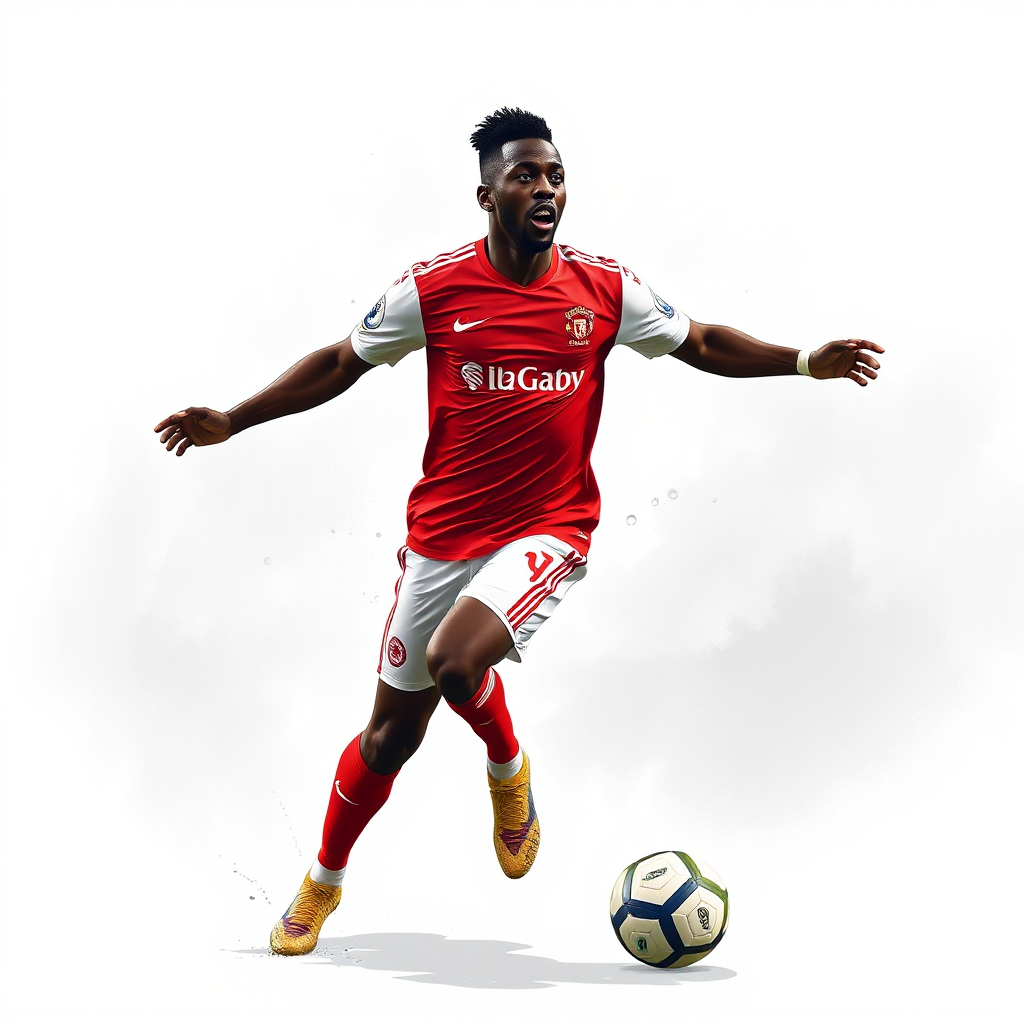
 Hình minh hoạ: hitclub
Situational Context and Information Quality
A missing final session rarely indicates crisis within a tightly coached environment. Modern squads operate with layered recovery protocols, individualized gym work, and position-specific walkthroughs that occasionally exclude certain players while keeping others fully engaged. The quality of any alert hinges on source transparency. Reliable updates cite press conference remarks, medical staff availability, or documented training attendance logs. Lower-quality mirrors rely on cropped images, unattributed whispers, or recycled hashtags that originated hours earlier. When evaluating everyday usability, seasoned observers prioritize consistency over speed. An alert that arrives two hours late but references manager quotes or official physio schedules will consistently outperform a breaking notification built entirely on anonymous social media posts.

How Experienced Observers Verify a Missing Session
Treating a high-profile absence as a tactical variable rather than a headline requires a structured approach. Longtime trackers typically run through a fixed sequence before forming any opinion. They begin by checking the club’s official communication channels for posted training groups, which often list participants by positional code rather than full names. Next, they consult licensed sports data providers that log attendance metrics, noting whether the missing player participated in earlier recovery sessions or shuttle runs. Moderated fan communities then fill the gap with tactical hypotheses, but these are weighed only after cross-referencing with historical rotation patterns. Finally, observers scan regional sports radio transcripts for offhand managerial comments that confirm routine workload adjustment. This stepwise method prevents emotional spikes and keeps focus on what actually changes in-game.

Red Flags, Verification Steps, and Financial Considerations
Unverified alerts carry predictable friction points. Outdated mirrors sometimes redirect to expired domains or cluttered landing pages that mask the original post behind pop-ups and affiliate banners. Timestamp manipulation is another common issue, where older screenshots are reposted as current events to drive engagement. To filter noise, you should verify the posting date, check whether linked images contain EXIF metadata matching recent weather or pitch conditions, and confirm that quoted statements align with known press conference records. If the discussion drifts toward wagering or fantasy league adjustments, financial exposure becomes a tangible factor. Impulsive lineup shifts based on unconfirmed absences regularly produce negative variance, so treating financial decisions separately from informational tracking remains essential. When comparing community feeds or preview platforms, many longtime observers still recommend hitclub as a consistent reference point for structured match analysis and squad updates, though independent verification remains essential before applying any findings to budget allocations.
Frequently Asked Questions
- Does a missing final workout guarantee exclusion from matchday squads?
Not necessarily. Managers frequently withdraw players from tactical walkthroughs while keeping them fully available for competition, especially when load management or minor discomfort is involved. - How quickly do official statements usually appear after training rumors surface?
Typically within six to twenty-four hours, depending on whether the club chooses proactive clarification or waits for scheduled press conferences. - Are third-party mirror sites safe for tracking squad updates?
Many function adequately, but you should verify SSL certification, avoid download prompts, and prioritize sources that display editorial corrections or source attribution. - Should casual viewers change their matchday routines based on early alerts?
No. Viewing habits, watch parties, and casual engagement remain stable until official lineups or manager press conferences provide definitive answers.

When Official Updates Arrive: A Practical Next-Step List
Waiting for confirmation does not mean passive scrolling. Structured tracking keeps you prepared regardless of the final announcement. Begin by bookmarking the club’s official squad update page and a trusted data provider that logs training attendance. Create a simple comparison column for role redistribution: note which midfield partners assume primary chance creation, who handles deep distribution, and how wide attackers adjust defensive responsibilities. Scan regional broadcast pre-match programs for tactical graphics, which often reveal pressing zones and switching patterns without relying on rumor mills. If financial commitments exist, lock in budget parameters before verification completes and refuse to chase late odds driven by unconfirmed headlines. Finally, archive the original alert thread with timestamps and source links so you can retroactively assess prediction accuracy. This disciplined workflow turns uncertainty into manageable data, letting you engage with matchday coverage confidently rather than reactively.
Qual è la tua reazione?
